Know Your Numbers: A Plain-English Guide to Blood Pressure for Dundee Residents
High blood pressure affects one in three Scottish adults, yet most people have no idea what their readings mean — here is everything you need to know.
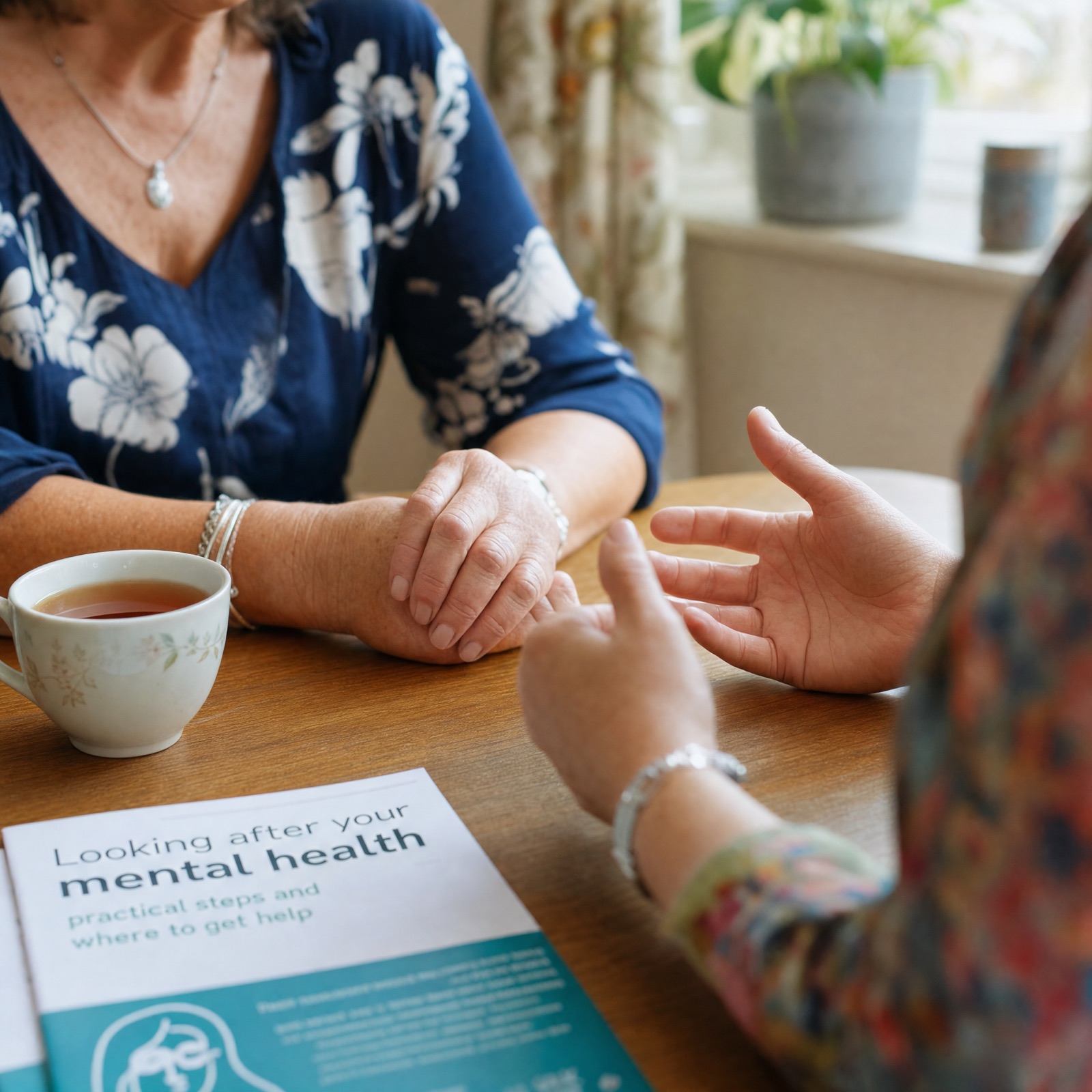
Blood pressure is one of those phrases everyone has heard but few people fully understand. You sit in the GP surgery, a cuff goes round your arm, a number is read out, and you nod — but do you actually know what that number means, whether it is good or bad, or what you can do about it? At Vibrant Health Advocates in Dundee, we spend a great deal of our time helping people answer exactly those questions, because understanding your blood pressure is one of the most powerful things you can do for your long-term health.
First, the basics. Blood pressure is measured in millimetres of mercury (mmHg) and expressed as two numbers — for example, 130 over 85. The top number, called systolic pressure, is the force your heart exerts when it beats and pushes blood around your body. The bottom number, diastolic pressure, is the pressure in your arteries between beats, when your heart is resting. A reading of 120/80 is generally considered ideal for most adults. Readings consistently above 140/90 are classified as high blood pressure, or hypertension. Readings between those two thresholds are sometimes called elevated or high-normal, and are worth monitoring.
High blood pressure is sometimes called the silent killer, and for good reason. It rarely causes obvious symptoms — no pain, no warning signs that you would notice on a normal day. Yet sustained hypertension damages the walls of your arteries over time, increasing the risk of heart attack, stroke, kidney disease, and vascular dementia. In Dundee, stroke rates are significantly above the Scottish average, and hypertension is a leading contributing factor. This is not inevitable. It is, in many cases, preventable and manageable.
So what actually drives blood pressure up? The list of risk factors includes: a diet high in salt and processed foods, being overweight, physical inactivity, smoking, heavy alcohol consumption, chronic stress, and genetics. Some of these you cannot change — family history matters. But the majority are modifiable, and even modest changes in several areas simultaneously can bring readings down meaningfully. Reducing daily salt intake by just a few grams, for instance, can lower systolic pressure by four to five points in many people. That is comparable to the effect of some medications.
Checking your blood pressure is easy and free in Dundee. Your GP surgery will do it. Many pharmacies offer free checks without an appointment. Vibrant Health Advocates runs regular free blood pressure check sessions at community venues across the city — see our events page for upcoming dates. You can also buy a reliable home monitor for around twenty to thirty pounds; the British Heart Foundation recommends upper-arm monitors over wrist devices for accuracy. If you measure at home, do it twice in the morning before eating or drinking coffee, sit quietly for five minutes first, and record both readings.
If your readings are consistently elevated, do not wait for things to get worse. Make an appointment with your GP, who can discuss whether lifestyle changes, medication, or both are appropriate for your situation. If medication is prescribed, take it as directed — many people feel fine and stop taking it, not realising that hypertension is a chronic condition requiring ongoing management. Our advocacy team at Vibrant Health Advocates can help you prepare for that GP conversation, understand your options, and connect with local support services. Knowledge is the first step. Take it today.
Quick Reference: Blood Pressure Categories
| Category | Reading (mmHg) | What to do |
|---|---|---|
| Ideal | Below 120/80 | Maintain healthy habits |
| High-Normal | 120–139 / 80–89 | Monitor regularly; consider lifestyle changes |
| High (Hypertension) | 140/90 or above | See your GP promptly |
This table is for general guidance only. Always consult your GP for personal health advice.